
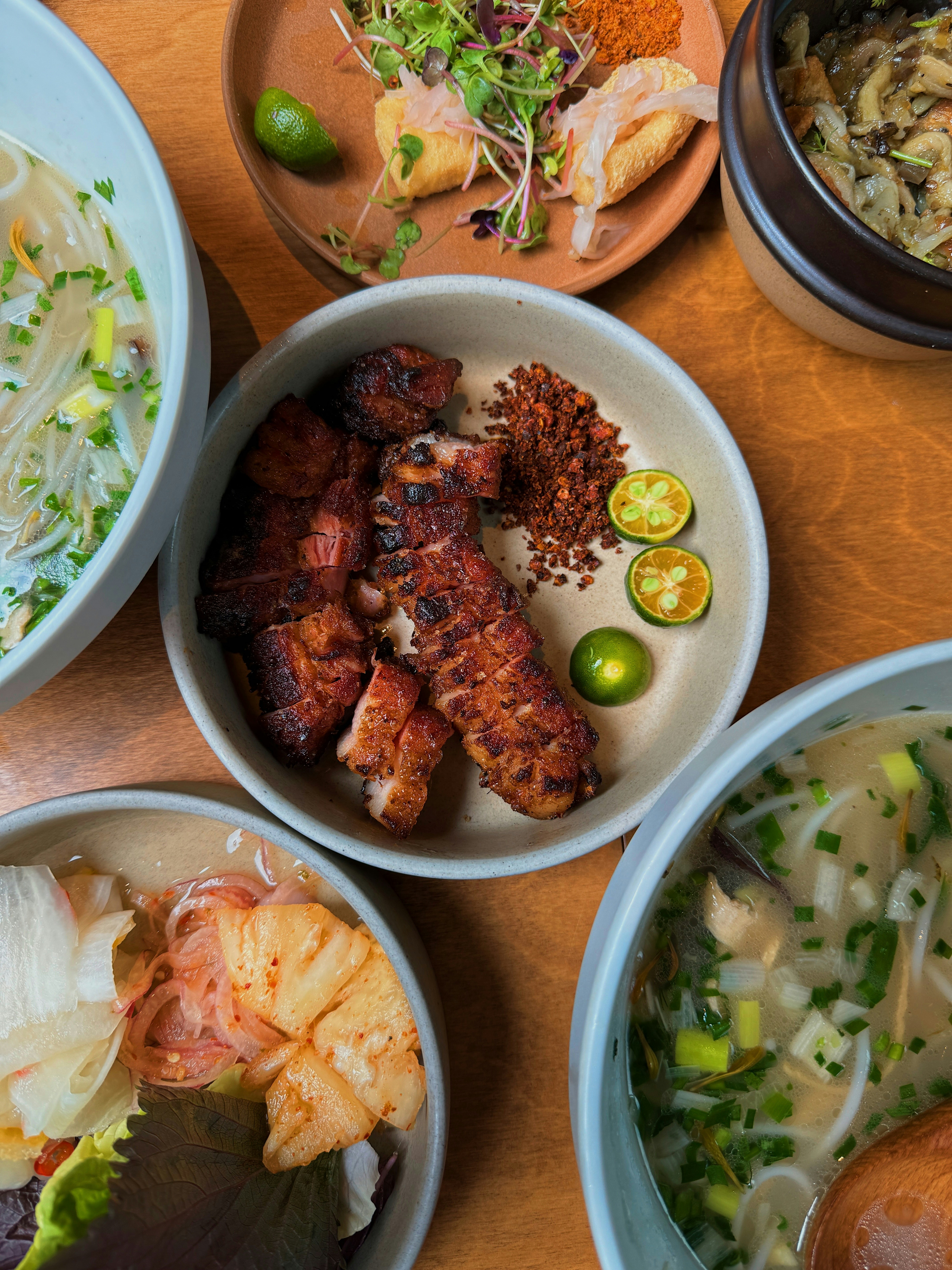
Introduction to Filipino Cuisine
Filipino cuisine offers a diverse tapestry of flavors that reflects the archipelago’s rich history and cultural evolution. Influenced by a variety of cultures including Spanish, Chinese, American, and indigenous traditions, Filipino food is a true representation of its multifaceted heritage. From the heirloom recipes passed down through generations to the contemporary culinary innovations, each dish tells a story of the land and its people.
The culinary landscape of the Philippines is characterized by its bold flavors and unique combinations of ingredients. Staples such as rice and seafood play a significant role, often complemented by intricate marinades and sauces that enhance the natural tastes of the primary ingredients. Commonly used flavors include garlic, vinegar, soy sauce, and calamansi, which together create dishes that are both savory and tangy, pleasing a wide range of palates.
One of the most intriguing aspects of Filipino cuisine is the concept of “lutong bahay,” meaning home-cooked meals. This tradition emphasizes the importance of family and communal dining. Many Filipinos take pride in their culinary skills, and there is a deep-rooted practice of sharing food as a way to bond with others. Given this context, it is no surprise that Filipino dishes are becoming increasingly popular among Americans who seek authentic and satisfying eating experiences.
As American food enthusiasts delve into culinary landscapes from around the world, the unique tastes of Filipino cuisine have captured their attention. With its vibrant flavors and inviting dishes, Filipino food offers an opportunity for adventure and exploration, making it a compelling choice for those who enjoy experiencing new cultural flavors. In the following sections, we will explore ten beloved Filipino dishes that have won the hearts of many.
Top 10 Filipino Dishes Loved by Americans
Filipino cuisine has gained significant popularity in the United States, celebrated for its vibrant flavors and diverse ingredients. Here, we delve into ten Filipino dishes that have resonated particularly well with American palates.
1. Adobo: Often considered the unofficial national dish of the Philippines, adobo is a savory stew made with marinated meat, typically chicken or pork, cooked in soy sauce, vinegar, garlic, and bay leaves. Its rich, tangy flavor profile, combined with tender meat, makes it a favorite among those who try it.
2. Sinigang: This sour soup, often made with pork, shrimp, or fish, features tamarind as its primary souring agent. Sinigang is celebrated for its comforting taste, complemented by various vegetables such as radish and kangkong (water spinach). It offers a refreshing contrast to the usual rich meals.
3. Lechon: A festive dish, lechon consists of a whole roasted pig with crispy skin and tender, flavorful meat. It’s a centerpiece at Filipino celebrations and has become a must-try for food lovers seeking out Filipino flavors in the U.S.
4. Pancit: This traditional noodle dish comes in many variants, including Pancit Canton and Pancit Malabon. Made with stir-fried noodles mixed with vegetables and meats, it encapsulates the Filipino importance of sharing food during gatherings.
5. Lumpia: These spring rolls are filled with a mixture of ground pork, vegetables, and seasonings. Whether served fresh or fried, they are a popular appetizer that showcases the Filipino culinary tradition of incorporating fresh ingredients.
6. Halo-Halo: A beloved dessert, halo-halo features a mix of shaved ice, sweet beans, jellies, fruits, and topped with leche flan. It is both a visual and sensory delight, embracing the warmth of Filipino summers.
7. Bicol Express: Known for its spicy flavor, Bicol Express consists of pork cooked in coconut milk with chili peppers. This dish highlights the Philippines’ regional variations in flavors and cooking techniques.
8. Kare-Kare: A rich peanut stew that usually includes oxtail, tripe, and vegetables, kare-kare is often served with bagoong (fermented shrimp paste), adding an umami kick that enhances its unique flavor.
9. Turon: This sweet snack is made by wrapping slices of ripe banana (typically saba) in spring roll wrappers, then frying them until golden brown. Turon’s caramelized exterior makes it an irresistible treat for many.
10. Bibingka: A type of rice cake traditionally served during the Christmas season, bibingka is soft and has a unique flavor from the banana leaves used in its preparation. This dish evokes nostalgia and connection to Filipino heritage.
Each of these dishes offers a glimpse into the rich tapestry of Filipino culinary tradition, highlighting the country’s unique ingredients and cultural influences. Testimonials from Americans reveal how these dishes often evoke a sense of warmth, community, and celebration, solidifying their place in the hearts of those who indulge in them.
Enjoying Filipino Food at Home
To experience the rich and diverse flavors of Filipino cuisine at home, you can start by sourcing authentic ingredients. Numerous Asian food markets across the United States stock staples such as rice noodles, fish sauce, and tamari, which are fundamental to many Filipino dishes. Additionally, online retailers like Amazon and specialty websites dedicated to Filipino foods can provide access to harder-to-find ingredients like dried fish (tuyo) or coconut vinegar (suka). Getting acquainted with these essential components will allow you to recreate popular dishes like adobo, sinigang, and pancit with ease.
For those who may not believe they have the culinary skills to produce authentically flavorful Vietnamese dishes, there are myriad easy recipes available that cater to novice cooks. Simple dishes such as lumpiang shanghai (spring rolls) or ginataang bilo-bilo (rice balls in coconut milk) can be great starting points – not overly complicated but packed with delightful tastes. Websites and cookbooks dedicated to Filipino cuisine often feature step-by-step guides that can help demystify the cooking process.
Moreover, if the kitchen is not your domain, consider exploring local restaurants or food trucks that specialize in Filipino food. Many urban areas boast establishments that serve high-quality renditions of classic dishes. This can also provide the opportunity to taste a variety of dishes without needing to cook, including exciting options like kare-kare and different regional specialties.
As you become more familiar with Filipino flavors, experiment by creating a full meal, pairing dishes that complement each other. For example, sinigang can be a rich main course, best enjoyed with steamed rice, while a dessert such as ube halaya (purple yam cake) can provide a sweet finale. By weaving these elements together, you will achieve an authentic Filipino dining experience in the comfort of your home.
The Growing Popularity of Filipino Food in the United States
In recent years, Filipino food has experienced a notable surge in popularity across the United States, captivating the palates of many Americans. Several key factors have contributed to this trend, primarily the rise of social media platforms, food blogging, and culinary television shows. Platforms like Instagram and TikTok allow food enthusiasts to share vibrant images and videos of Filipino dishes, sparking interest and curiosity among viewers. Food bloggers and influencers have played an instrumental role in introducing dishes such as adobo, lumpia, and sinigang, showcasing their colorful presentation and distinctive flavors.
In interviews, renowned Filipino chefs underscore the importance of these digital mediums in bridging cultural gaps. Chef Kristina Cho, for example, emphasizes how her online presence has enabled her to connect with a diverse audience, motivating them to attempt traditional Filipino recipes at home. “Sharing my passion for Filipino cuisine online has allowed people to appreciate its unique blend of flavors, which often evokes a sense of nostalgia and connection to Filipino heritage,” she states. This sentiment echoes throughout the community of food influencers, who advocate for authenticity and the stories behind each dish.
Additionally, cooking shows that feature Filipino cuisine have started to gain traction, expanding its visibility in the culinary world. With more chefs recognizing the richness of Filipino flavors, it’s becoming common for American restaurants to incorporate Filipino-inspired dishes into their menus. Predictions suggest that this trend is only set to grow, potentially leading to the establishment of more dedicated Filipino restaurants and a greater integration of Filipino flavors into mainstream American dining culture. This evolving landscape signifies a promising future for Filipino cuisine, inviting diverse communities to explore and enjoy its offerings.